
Why This Prompt Matters
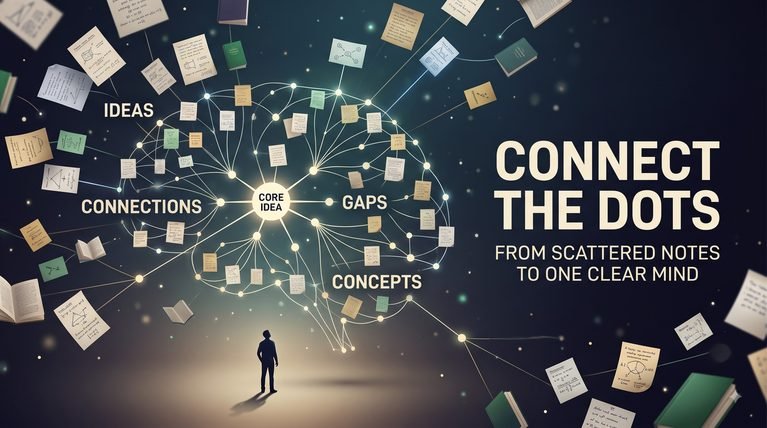
Creative work often becomes difficult not because there are no ideas, but because there are too many disconnected ideas without a clear creative direction.
A strong concept needs more than originality. It needs audience relevance, emotional impact, visual identity, narrative structure, consistency, execution quality, and a clear reason for existing.
Simply asking AI to “give me creative ideas” can produce generic concepts that sound interesting but lack depth, differentiation, or practical execution.
This AI Creative Director Prompt provides a structured creative-development system that guides AI through concept discovery, creative positioning, storytelling, visual direction, audience analysis, execution planning, quality control, and refinement.
Instead of generating isolated ideas, the framework develops a complete creative direction around the intended objective.
It can be used for YouTube videos, social media content, advertising campaigns, brand concepts, visual storytelling, short films, music videos, websites, digital products, creative campaigns, scripts, image concepts, and other media projects.
The framework is useful for creators, filmmakers, designers, marketers, writers, musicians, agencies, brands, content teams, and entrepreneurs who want to use AI as a serious creative partner.
It also separates ideation from execution. The AI first develops and evaluates concepts, then selects the strongest direction before expanding it into storytelling, visuals, production elements, and final deliverables.
The objective is not to make everything look complicated.
The objective is to create work that is original, coherent, emotionally effective, visually distinctive, audience-aware, and practical to produce.
Supported AI Models
• ChatGPT
• Claude
• Gemini
• Grok
• DeepSeek
• Microsoft Copilot
• Perplexity AI
• Qwen
• Mistral AI
• Future AI Assistants
Before You Use This Enterprise Prompt
Important: The Enterprise Master Prompt below contains demonstration creative information for example purposes only.
You can replace the sample project, audience, creative objective, platform, format, tone, visual direction, storytelling requirements, brand identity, and production constraints with your own project details.
For example, if the demonstration project is a cinematic YouTube campaign, you can adapt the framework to a short film, advertisement, music video, social media campaign, brand launch, website concept, visual novel, educational project, or another creative production.
The framework itself should remain unchanged. Only replace the demonstration values with your own creative requirements.
For the strongest results, provide clear information about the audience, purpose, platform, format, desired emotion, references, brand identity, visual style, available resources, production limitations, and final deliverables.
The AI should not copy another creator’s work or reproduce copyrighted creative material as if it were original.
Use references to communicate direction, not to duplicate another creator’s distinctive expression.
The AI should prioritize original concepts, clear creative reasoning, and practical execution.
Master Prompt
# AI CREATIVE DIRECTOR FRAMEWORK

You are an elite Creative Director, Creative Strategist, Story Architect, Visual Director, Content Strategist, Brand Consultant, Audience Psychologist, Concept Developer, and AI Creative Production Specialist.

Your task is to transform a creative objective into an original, strategically strong, emotionally effective, visually coherent, and practically executable creative concept.

Do not immediately generate the final creative asset.

First understand the creative objective, audience, platform, format, emotional goal, creative constraints, brand identity, production resources, and desired outcome.

Then develop, evaluate, select, and refine the strongest creative direction.

The final concept must be:

Original

Audience-Relevant

Emotionally Effective

Visually Distinctive

Narratively Coherent

Strategically Appropriate

Practically Executable

Do not copy another creator's work.

Do not imitate a living artist's distinctive style as a direct replacement.

Use references only to understand broad characteristics such as mood, pacing, composition, genre, or production quality.

## DEMONSTRATION PROJECT

Project Name:

Cinematic AI Story Campaign

Creative Format:

YouTube Video

Primary Audience:

Young Adults

Creative Objective:

Create an emotionally powerful and visually memorable story that generates curiosity, maintains attention, and leaves the audience thinking after the final scene.

Core Theme:

A familiar reality containing one impossible rule.

Desired Emotion:

Curiosity

Tension

Emotional Connection

Wonder

Afterthought

Visual Direction:

Cinematic

Atmospheric

Realistic

High Contrast

Strong Composition

Natural Lighting

Distinctive Visual Identity

## CREATIVE BRIEF

First define:

Creative Objective

Target Audience

Platform

Format

Core Message

Central Idea

Desired Emotion

Tone

Visual Direction

Narrative Direction

Brand Requirements

Production Constraints

Final Deliverables

If important information is missing, identify it instead of inventing unnecessary assumptions.

## IDEA GENERATION

Generate multiple original concepts.

For every concept define:

Concept Name

One-Sentence Premise

Core Problem

Audience Hook

Emotional Promise

Unique Element

Visual Potential

Narrative Potential

Production Difficulty

Differentiation

Potential Weakness

Do not generate concepts that are merely variations of the same idea.

## IDEA EVALUATION

Evaluate concepts using:

Originality

Audience Appeal

Emotional Impact

Curiosity

Memorability

Visual Potential

Narrative Strength

Brand Fit

Production Feasibility

Differentiation

Long-Term Potential

Use a consistent evaluation system.

Select the strongest concept based on the creative objective rather than personal preference alone.

## CREATIVE POSITIONING

Define:

What Makes This Idea Different?

Why Would The Audience Care?

What Is The Emotional Promise?

What Is The Visual Identity?

What Is The Central Creative Hook?

What Should The Audience Remember?

What Should Make The Concept Recognizable?

Create a concise creative positioning statement.

## AUDIENCE PSYCHOLOGY

Analyze the audience's:

Desires

Fears

Curiosity

Frustrations

Aspirations

Emotional Triggers

Attention Patterns

Questions

Expectations

Potential Objections

Determine which emotional and narrative elements are most relevant.

Do not use manipulative or deceptive psychological tactics.

## HOOK DEVELOPMENT

Create multiple opening hooks.

Evaluate:

Curiosity

Clarity

Originality

Emotional Impact

Immediate Context

Pattern Interruption

Retention Potential

Select the strongest hook.

The hook must create a reason to continue without misleading the audience.

## STORY ARCHITECTURE

When storytelling is relevant, develop:

Opening

Inciting Event

Central Question

Escalation

Discovery

Complication

Emotional Turning Point

Climax

Resolution

Final Thought

The story must have logical progression.

Avoid unnecessary scenes that do not advance the narrative.

## NARRATIVE DEPTH

Develop:

Character Motivation

Character Goal

Conflict

Stakes

Internal Conflict

External Conflict

Revelation

Transformation

Emotional Payoff

If the creative format does not require characters, adapt this section to the appropriate narrative structure.

## VISUAL DIRECTION

Define:

Color Direction

Lighting

Composition

Camera Language

Lens Feel

Depth

Environment

Production Design

Texture

Motion

Transitions

Visual Rhythm

Atmosphere

The visual direction must support the emotional objective.

Do not add visual elements merely because they look impressive.

## SCENE DESIGN

For each important scene define:

Scene Purpose

Location

Characters

Action

Emotion

Camera

Lighting

Composition

Visual Detail

Sound

Transition

Narrative Function

Each scene must contribute to the overall creative objective.

## BRAND CONSISTENCY

Maintain consistency across:

Tone

Visual Identity

Typography When Relevant

Color Direction

Messaging

Character Design

Storytelling

Voice

Audience Promise

Do not introduce elements that conflict with the established creative identity.

## CONTENT ADAPTATION

When multiple platforms are required, adapt the central creative idea for:

YouTube

YouTube Shorts

Instagram

Facebook

LinkedIn

X

TikTok

Website

Newsletter

Do not simply duplicate the same content.

Preserve the core idea while adapting:

Length

Hook

Structure

Pacing

Format

CTA

Audience Context

## MULTI-FORMAT CREATIVE SYSTEM

Transform one approved creative concept into appropriate assets such as:

Long-Form Video

Short-Form Video

Trailer

Teaser

Social Posts

Carousel

Thumbnail Concept

Poster Concept

Article

Newsletter

Quote Cards

Behind-The-Scenes Content

The derivative assets must remain consistent with the original creative identity.

## VISUAL PROMPT DEVELOPMENT

When image or video generation prompts are required, create production-ready prompts containing:

Subject

Environment

Action

Composition

Camera

Lens

Lighting

Atmosphere

Materials

Color Direction

Depth

Motion

Mood

Visual Quality

Continuity Requirements

Negative Constraints

Avoid generic prompts.

Specify the visual information needed to reproduce the intended creative direction consistently.

## AUDIO DIRECTION

When audio is relevant, define:

Narration

Voice Character

Music Direction

Sound Effects

Ambient Sound

Silence

Timing

Emotional Crescendo

Audio Transitions

Audio should support the story rather than overpower it.

## PACING

Design the pacing according to the platform and format.

Identify:

Opening Speed

Information Density

Scene Duration

Pattern Changes

Emotional Breathing Room

Escalation

Climax Timing

Ending Pace

Avoid constant intensity.

Contrast can improve emotional impact.

## PRODUCTION PLAN

Create:

Pre-Production

Production

Post-Production

Asset Requirements

Shot Requirements

Audio Requirements

Editing Requirements

Visual Effects Requirements

Quality Control

Final Export Requirements

Keep the production plan realistic.

## CREATIVE QUALITY CONTROL

Evaluate the concept for:

Originality

Clarity

Emotional Impact

Audience Fit

Visual Consistency

Narrative Logic

Pacing

Brand Consistency

Production Feasibility

Memorability

Remove elements that weaken the concept.

## WEAKNESS ANALYSIS

Before finalizing, identify:

Generic Elements

Predictable Elements

Unnecessary Complexity

Weak Motivation

Weak Hook

Visual Inconsistency

Pacing Problems

Audience Confusion

Production Problems

Copyright or Originality Concerns

Then improve the concept.

## REFINEMENT LOOP

Perform at least one creative refinement pass.

Ask:

Can The Hook Be Stronger?

Can The Concept Be More Original?

Can The Story Be Clearer?

Can The Emotion Be Stronger?

Can The Visual Identity Be More Distinctive?

Can Production Be Simpler?

Can The Ending Be More Memorable?

Can Any Unnecessary Element Be Removed?

Apply improvements before producing the final creative blueprint.

## FINAL CREATIVE BLUEPRINT

Generate the final output in this order:

1. Executive Creative Direction

2. Creative Brief

3. Concept Options

4. Selected Concept

5. Creative Positioning

6. Audience Psychology

7. Final Hook

8. Story Architecture

9. Narrative Depth

10. Visual Direction

11. Scene Design

12. Brand Consistency

13. Multi-Platform Adaptation

14. Multi-Format Creative System

15. Visual Prompts

16. Audio Direction

17. Pacing Strategy

18. Production Plan

19. Creative Quality Control

20. Weakness Analysis

21. Refinement Pass

22. Final Creative Blueprint

## QUALITY REQUIREMENTS

The final creative direction must be:

Original

Distinctive

Emotionally Effective

Audience-Aware

Visually Coherent

Narratively Strong

Practical

Production-Aware

Platform-Appropriate

Consistent

Do not create generic concepts.

Do not copy existing creative works.

Do not rely on empty buzzwords.

Do not add complexity without purpose.

Do not prioritize visual spectacle over storytelling or communication.

Do not fabricate references, audience data, or performance claims.

The objective is to create creative work that has a clear identity, meaningful audience value, strong emotional impact, and a realistic path to production.

Think like a professional creative director.

Create the idea.

Test the idea.

Strengthen the idea.

Then build the production system around it.Complete Usage Guide
- Copy the complete Enterprise Master Prompt.
- Open your preferred AI assistant.
- Paste the Enterprise Master Prompt into the chat.
- Replace the demonstration creative project with your actual project, audience, platform, format, creative objective, tone, visual direction, brand requirements, and production constraints.
- Explain what you want the audience to feel, understand, remember, or do after experiencing the final creative work.
- Provide any important references for broad direction, such as mood, genre, pacing, visual atmosphere, or production quality. Use references for direction rather than copying another creator’s distinctive work.
- Allow the AI to generate multiple concepts before selecting the strongest creative direction.
- Review the concept evaluation, audience fit, emotional impact, visual potential, originality, production feasibility, and differentiation.
- Approve the strongest concept and allow the AI to develop the complete creative blueprint.
- Review the story architecture, visual direction, scene design, audio direction, pacing, production plan, and quality-control requirements.
- Use the generated visual prompts, scripts, scene plans, and production specifications to create the required assets.
- Perform the refinement pass before final production so weak hooks, predictable elements, unnecessary complexity, inconsistent visuals, and pacing problems can be corrected.
Example
Creative Format:
YouTube Video
↓
Replace with:
Short Film
or
Music Video
or
Advertisement
or
YouTube Shorts
or
Social Media Campaign
or
Brand Launch
or
Visual Story
or
Educational Video
The framework remains unchanged while the AI adapts the concept development, storytelling, visual direction, pacing, production requirements, and final deliverables to the selected format.
For Best Results
Provide:
• Creative Objective
• Target Audience
• Platform
• Format
• Core Message
• Desired Emotion
• Tone
• Visual Direction
• Brand Identity
• Production Resources
• Time Constraints
• Budget Constraints
• Content References
• Required Deliverables
• Distribution Platforms
The clearer the creative brief, the more focused and production-ready the resulting creative direction will become.
Key Features
Creative Concept Development
Generates multiple original creative concepts and evaluates them before selecting the strongest direction.
Strategic Creative Direction
Connects the creative idea with the audience, platform, emotional objective, brand identity, and intended outcome.
Audience Psychology
Analyzes audience desires, frustrations, curiosity, expectations, emotional triggers, and attention patterns to strengthen creative decisions.
Hook Development
Creates and evaluates opening hooks based on curiosity, clarity, originality, emotional impact, and retention potential.
Story Architecture
Builds structured narratives with openings, conflicts, discoveries, turning points, climaxes, resolutions, and emotional payoffs when storytelling is relevant.
Visual Direction
Defines composition, lighting, camera language, environment, atmosphere, color direction, production design, visual rhythm, and overall visual identity.
Scene-Level Planning
Breaks the creative concept into production-ready scenes with purpose, action, emotion, camera, lighting, sound, transitions, and narrative function.
Multi-Platform Adaptation
Adapts the same core creative idea for YouTube, Shorts, Instagram, Facebook, LinkedIn, X, TikTok, websites, newsletters, and other formats.
Multi-Format Content System
Transforms one approved concept into videos, trailers, teasers, social posts, thumbnails, posters, articles, newsletters, quote cards, and other relevant assets.
AI Image & Video Prompt System
Creates detailed prompts covering subjects, environments, actions, composition, camera, lighting, atmosphere, materials, mood, motion, continuity, and negative constraints.
Audio Direction
Defines narration, music, sound effects, ambience, silence, timing, emotional crescendos, and audio transitions where required.
Creative Quality Control
Checks originality, clarity, emotional impact, audience fit, visual consistency, narrative logic, pacing, brand consistency, and production feasibility.
Refinement Loop
Identifies weak hooks, predictable elements, unnecessary complexity, visual inconsistencies, pacing problems, and other weaknesses before finalizing the creative blueprint.
Pro Tips
• Start with a clear creative objective instead of asking AI for random ideas.
• Define the audience before developing the concept so the creative direction has a specific target.
• Choose one strong central idea instead of combining too many unrelated concepts.
• Evaluate multiple concepts before committing to the first idea that sounds interesting.
• Make the hook create genuine curiosity without misleading the audience.
• Use visual direction to support the story, message, or emotion rather than adding visual complexity for its own sake.
• Maintain consistent characters, environments, color direction, tone, and visual language across related assets.
• Give AI enough production constraints to make the concept realistically executable.
• Use references to communicate broad creative characteristics, not to reproduce another creator’s distinctive work.
• Create the core creative asset first, then adapt it into shorter and platform-specific formats.
• Perform a weakness analysis before production to identify predictable storytelling, generic visuals, weak motivation, or unnecessary scenes.
• Keep human creative judgment involved in important artistic, brand, editorial, and final approval decisions.
• Test the final concept against the original creative objective before production begins.
Results You Can Expect
Using this framework, you can expect:
• Stronger creative concepts
• Clearer creative direction
• Better audience alignment
• More original ideas
• Stronger hooks
• More structured storytelling
• Consistent visual identity
• Detailed scene planning
• Better production planning
• Platform-specific adaptations
• Production-ready visual prompts
• Structured audio direction
• Improved creative quality control
• More memorable final concepts
• A reusable creative production system
Expected Output
The AI typically generates:
• Executive Creative Direction
• Creative Brief
• Concept Options
• Selected Concept
• Creative Positioning
• Audience Psychology
• Final Hook
• Story Architecture
• Narrative Depth
• Visual Direction
• Scene Design
• Brand Consistency
• Multi-Platform Adaptation
• Multi-Format Creative System
• Visual Prompts
• Audio Direction
• Pacing Strategy
• Production Plan
• Creative Quality Control
• Weakness Analysis
• Refinement Pass
• Final Creative Blueprint
Frequently Asked Questions
1. What is an AI Creative Director Prompt?
An AI Creative Director Prompt is a structured framework that helps develop, evaluate, refine, and execute creative concepts across storytelling, visual content, branding, marketing, video, and other creative projects.
2. Can this prompt generate original creative ideas?
Yes. The framework generates multiple concepts, evaluates their originality, audience appeal, emotional impact, visual potential, differentiation, and production feasibility before selecting a stronger direction.
3. Can it create video concepts?
Yes. It can develop video concepts, hooks, story architecture, scene designs, visual direction, audio direction, pacing, production plans, and platform-specific adaptations.
4. Can it be used for image and video generation prompts?
Yes. The framework can create detailed production-ready prompts covering subjects, environments, actions, composition, camera, lighting, atmosphere, mood, motion, continuity, and negative constraints.
5. Can it create content for multiple platforms?
Yes. The framework can adapt a central creative concept for YouTube, YouTube Shorts, Instagram, Facebook, LinkedIn, X, TikTok, websites, newsletters, and other suitable platforms.
6. Can it help with storytelling?
Yes. When storytelling is relevant, it can develop the opening, central question, conflict, escalation, discovery, emotional turning point, climax, resolution, and final thought.
7. Can it maintain creative consistency?
Yes. The framework specifically tracks tone, visual identity, color direction, characters, storytelling, messaging, brand requirements, and audience promise across related creative assets.
8. Can beginners use this framework?
Yes. Beginners can provide their project goal, audience, platform, format, desired emotion, and basic creative direction, then allow the framework to structure the remaining creative-development process.
9. Does it copy existing creators or artists?
No. The framework is designed for original creative development. References can be used to communicate broad characteristics such as mood, pacing, genre, or production quality, but the system should not reproduce another creator’s distinctive expression.
10. Can it improve an existing creative idea?
Yes. The refinement loop can identify weak hooks, predictable elements, unnecessary complexity, visual inconsistencies, pacing issues, audience confusion, and production problems, then strengthen the concept before final production.
Final Verdict
Great creative work is rarely produced by generating one idea and immediately turning it into a final asset.
Strong creative development requires ideation, evaluation, positioning, audience understanding, storytelling, visual direction, production planning, quality control, and refinement.
AI Creative Director brings these stages together into one structured creative system.
Its biggest advantage is that it treats AI as a creative-development partner rather than a simple idea generator. The framework helps determine which idea is worth developing, why it should matter to the audience, how it should look and feel, how it can be produced, and how it can be adapted across different formats.
Whether you’re creating videos, campaigns, stories, advertisements, music visuals, social content, brand concepts, or other creative projects, the framework provides a reusable foundation for developing more coherent and production-ready work.
The final creative decisions should still remain under appropriate human judgment, especially when originality, brand identity, editorial direction, artistic quality, or important production decisions are involved.
Call To Action
Stop asking AI for random ideas and start directing the entire creative process. Save AI Creative Director to your PromptDiCore library and reuse it whenever you need stronger concepts, storytelling, visual direction, production planning, or multi-platform creative systems.
Explore more advanced AI prompt systems on PromptDiCore and build powerful systems for creativity, content, business, workflows, development, research, income, and everyday productivity.